Pets other than cats and dogs are a field of medicine in their own right. A budgie's heart beats several hundred times a minute, a rabbit's digestive system can slip into serious danger after just a few hours without food, and a reptile's health depends directly on the temperature and humidity of its enclosure. An exotic exam is not a scaled-down version of cat and dog practice.
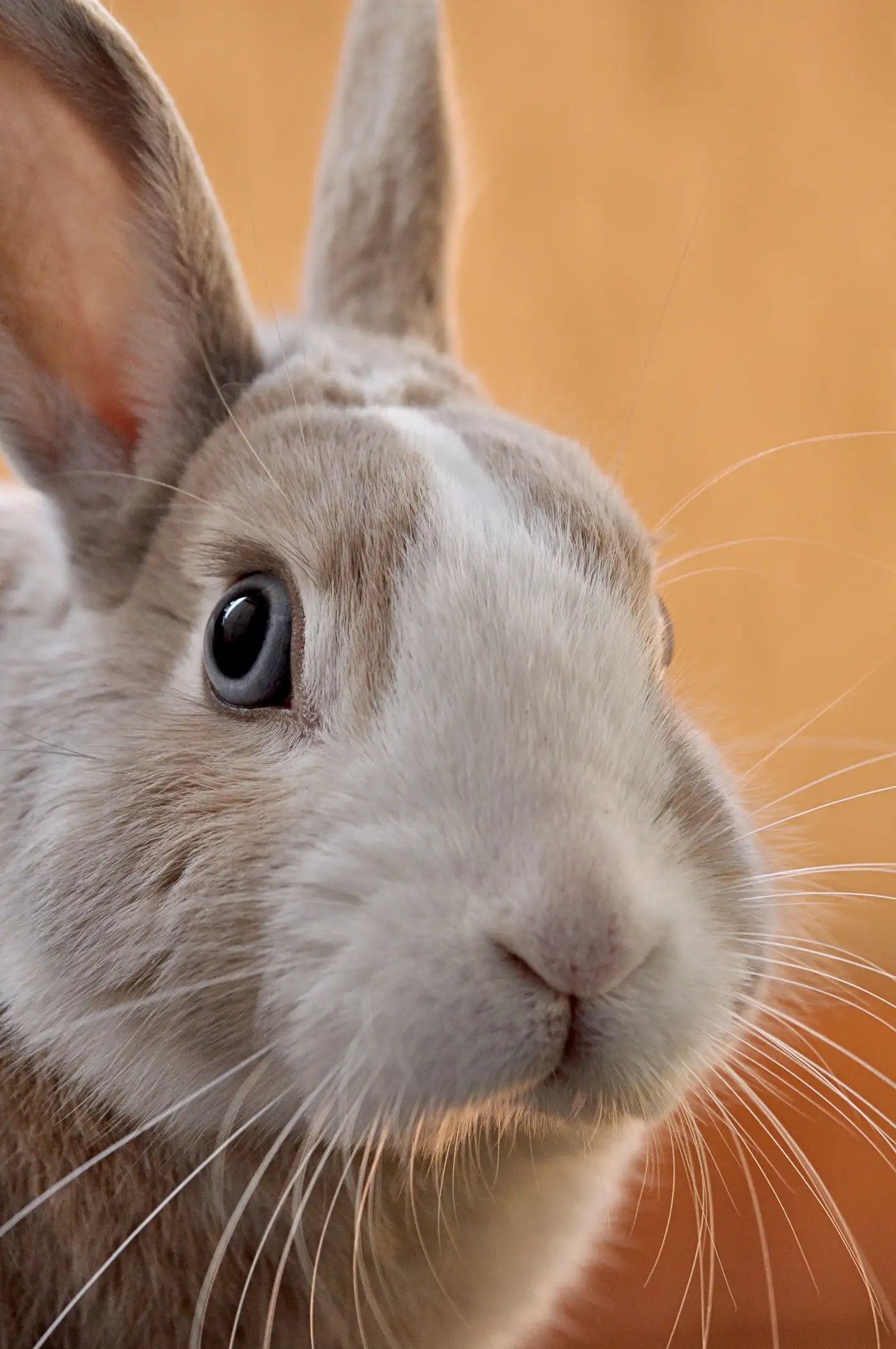
At Petcure we examine and treat birds, rabbits, rodents such as hamsters and guinea pigs, along with tortoises and other reptiles. Every species has its own way of being handled, its own examination technique and its own drug dosing. Our team works with those differences in mind.
When should you bring your exotic pet in?
Exotic species are experts at hiding illness. In the wild, the animal that looks weak becomes a target, and that instinct does not switch off at home. Even small signs matter: less appetite, changes in feathers or skin, irregular droppings, slower movement. If you notice a symptom, we recommend coming in without delay, because in these animals things progress quickly.
How does an exotic exam work at Petcure?
We start by asking you detailed questions. Feeding routine, the cage or terrarium setup, heating and lighting: the living conditions very often point to the source of the problem. We then examine the animal in a way suited to its species, with as little stress as possible. Where needed, laboratory tests and imaging help us pin down the diagnosis.
Putting the living conditions right is as much a part of the job as the treatment itself. At the end of the visit we walk you through our feeding and housing recommendations and answer your questions. The goal is not just to fix the day's complaint but to keep the same problem from coming back.